Uncover the Realm of Fair Trade Tea: Excellent Brews That Encourage Sustainable Practices
Fair Trade tea demonstrates a harmonious balance of quality and ethics. Each cup furnishes a distinct taste composition while championing sustainable farming practices. This process not only upgrades the tea pleasure but also supports marginalized farmers. Understanding its origins and validation frameworks discloses deeper layers of consequence. As shoppers become more intentional about their choices, the reach of Fair Trade tea spreads past taste. What exists beneath the layer of these determinations?
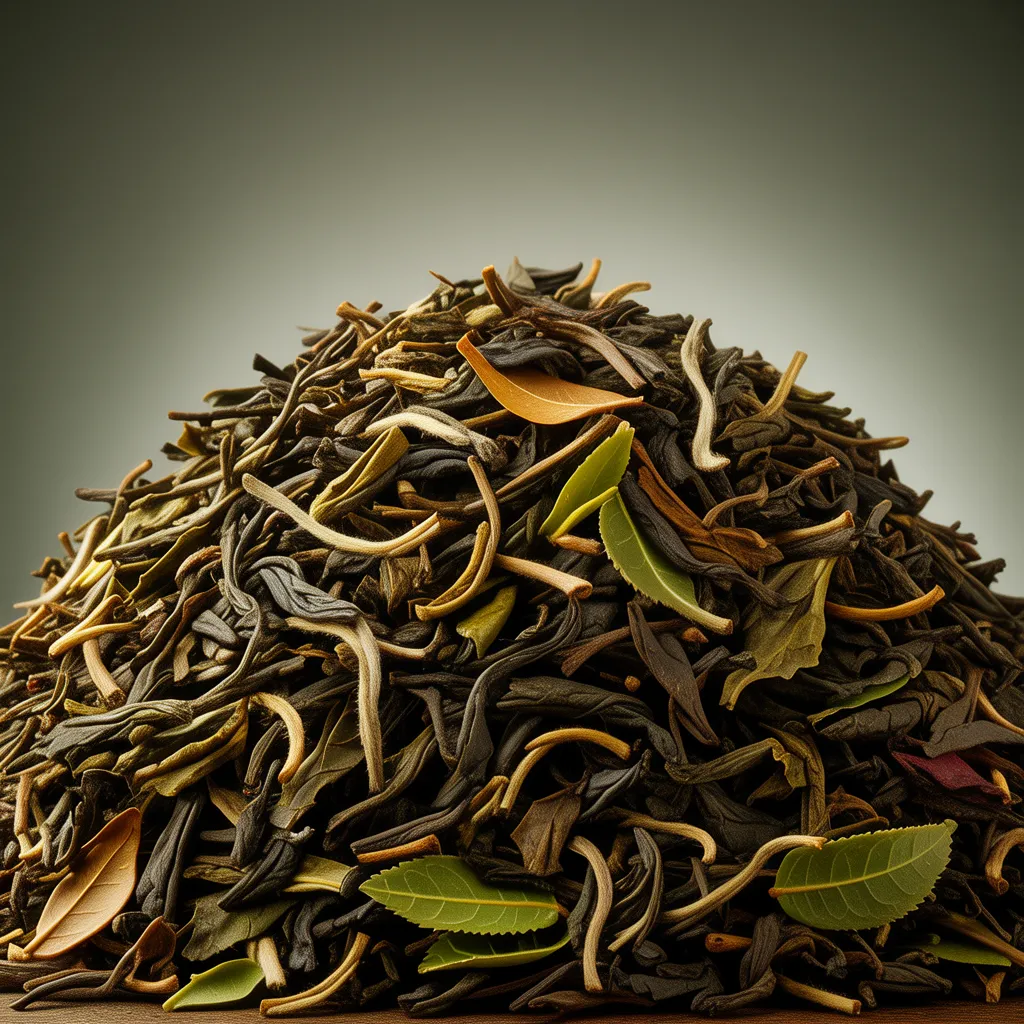
Understand the History of Fair Trade Tea
Fair Trade tea traces back to the socioeconomic initiatives aimed at enhance the livelihoods of disadvantaged farmers. Emerging in the final decades of the 1900s, this program attempted to address disparities in international commerce, especially in emerging markets where tea is often cultivated. The initiative gained momentum as consumers became increasingly aware of the difficult conditions experienced by independent growers, such as unjust prices and abuse by large corporations.
Through collaborative frameworks, Fair Trade sought to empower these farmers, ensuring they received fair compensation and support for sustainable farming practices. The movement also focused on promoting ecological stewardship, encouraging organic farming and biodiversity. As knowledge increased, Fair Trade tea functioned as a symbol of ethical consumption, linking consumers directly with the origins of their beverages. By choosing Fair Trade tea, individuals contribute to a larger goal of social justice and economic equity, fostering a more sustainable future for tea-growing communities.
Grasp the basics of Fair Trade Certification for environmentally conscious methods
Recognizing Fair Trade certification is necessary to understanding how sustainable practices are upheld within the tea industry. This certification confirms that producers receive fair wages and work under safe conditions, which directly nurtures community development. Fair Trade standards endorse environmentally sustainable farming methods, reducing the use of harmful chemicals and encouraging biodiversity.
Certification strengthens transparency in the supply chain, allowing consumers to track their tea back to its origin. By following these guidelines, farms engage in practices that safeguard natural resources and support local environments. Additionally, see more Fair Trade organizations often deliver educational resources and training to farmers, equipping them to improve their farming techniques and financial security.
Ultimately, Fair Trade certification not only enhances tea's excellence but also corresponds with consumer decisions to ethical and responsible ideals, making it a essential element of the tea sector's commitment to community responsibility and ecological stewardship.
Discover Leading Selection of Fair Trade Tea
While many tea devotees relish the deep tastes and fragrances of various brews, examining the top varieties of Fair Trade tea shows a more profound commitment to fair practices and ecological responsibility. Some favored options comprise Fair Trade Assam, noted for its powerful, malted character, and Fair Trade Darjeeling, often dubbed the "Champagne of teas" for its delicate floral notes. Another remarkable variety is Fair Trade Earl Grey, blended with bergamot, delivering a unique citrus twist.
Furthermore, Fair Trade Green Tea, celebrated for its invigorating qualities and health benefits, is increasingly preferred among health-conscious consumers. Herbal blends, such as Fair Trade Chamomile and Peppermint, also excel, providing soothing and calming effects. Each of these varieties not only provides exceptional flavor but also helps farmers and communities working for better livelihoods, making them a responsible choice for tea lovers seeking quality and ethical assurance.
Brewing Fair Trade Tea: Recommendations for a Exceptional Cup
To prepare the ultimate cup of Fair Trade tea, precision is essential, as the proper procedures can bring out the tea's unique tastes and fragrances. The first step is that water quality is key; using purified water delivers a clean taste that allows the tea's qualities to come through. Also, the water temperature is critical; tea types require precise temperatures; black tea needs boiling water and cooler temperatures work best for green or herbal teas.
Subsequently, the steeping time must be strictly observed. Excessive steeping can result in bitterness, while understeeping may not draw out the full flavor profile. A standard recommendation is 3-5 minutes for black tea and 2-3 minutes for green tea.
To conclude, using the proper amount of tea to water improves the flavor; one teaspoon of loose tea per cup is a suitable guideline. By applying these tips, tea connoisseurs can deeply enjoy the rich offerings of Fair Trade tea.
Environmental Gains of Sustainable Tea
Brewing Fair Trade tea not only elevates the tea encounter but also promotes sustainable agricultural practices that advantage the ecosystem. Fair Trade certification encourages farmers to use natural cultivation techniques, which minimize the dependence on harmful pesticides and fertilizers. This method fosters biodiversity, aiding in the protection of local habitats and safeguard wildlife habitats.
Moreover, Fair Trade strategies often stress soil health and water conservation, ensuring that tea cultivation does not deplete essential resources. By supporting small-scale farmers, Fair Trade also advocates for agroforestry, which blends tea cultivation with other crops and trees, further enhancing environmental resilience.
Furthermore, Fair Trade tea often involves eco-conscious wrapping and transportation methods, reducing the carbon footprint associated with its distribution. Ultimately, selecting Fair Trade tea represents a deliberate commitment to foster a more sustainable farming approach that honors both the planet and its inhabitants.

Your Tea Preference Helps Uplift Global Populations
Embracing Fair Trade tea aids communities globally by granting producers with reasonable pay and enhanced working conditions. This obligation assures that tea producers can sustain their livelihoods while channeling resources in their kin and area economies. By obtaining Fair Trade tea, patrons facilitate the establishment of necessary local services, including instruction and medical care.
Fair Trade certification encourages responsible conduct, requiring companies to adhere to guidelines that prioritize workers' rights and ecological responsibility. As a result, farmers are motivated to cultivate premium tea, which not only improves their income but also creates satisfaction in their work.
Furthermore, the direct trade connections established through Fair Trade eliminate exploitative middlemen, allowing farmers to connect with customers worldwide. This openness cultivates trust and promotes a global appreciation for the cultural significance of tea. Ultimately, each cup of Fair Trade tea acts as a reminder of the positive impact individuals can have on global communities through mindful consumption.
Commonly Asked Questions
What Approaches Should I Use to Determine Fair Trade Tea Products Available in Stores?
To discover fair trade tea products in stores, one should look for certification labels, such as Fair Trade Certified or Rainforest Alliance. Additionally, researching companies focused on fair practices can enable purchasing responsibly.
Can You Find Any Health Benefits Related to Fair Trade Tea?
Fair trade tea may offer assorted health gains, with heart-enhancing antioxidants, superior digestion, and heightened mental acuity. Additionally, conscientious sourcing practices strengthen responsible agriculture, indirectly advancing a stronger ecosystem and enhanced community health.
Where Can I Find Ethically Sourced Tea in Online Marketplaces?
Yes, fair trade tea is widely available in e-commerce sites. Various companies present a variety of selections, ensuring shoppers can easily access ethically sourced options that champion both environmental stewardship and fair labor practices.
How Does Fair Trade Tea Shape Local Economies?
Fair trade tea benefits local economies by providing farmers with fair wages, fostering community development, and encouraging sustainable farming practices. This assistance enhances livelihoods, strengthens financial security, and empowers communities to invest in education and healthcare.
How Can I Preserve Fair Trade Tea to Achieve Maximum Freshness?
To enhance freshness, fair trade tea should be kept in an airtight container, away from pungent smells, moisture, and light. Storing it in a dark, cool location helps maintain its aroma and flavor over time.